
Appendix Surgery
The dedicated Pawar Multispeciality Hospital is one of the best hospitals in Pune for Appendix Surgery. The hospital conducts various Appendix Surgeries.
We have specially designed operating theatres consolidating advanced facilities, such as laminar airflows, a specialized coating of the walls of the theatre which are seamless, antistatic bacterial, anti fungal resistant flooring which provide a highly sterile environment essential to avoid post-surgery infections.
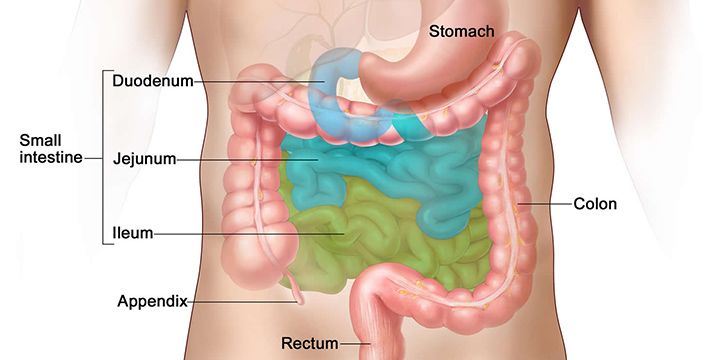
An appendectomy is the surgical removal of the appendix. It’s a common emergency surgery that’s performed to treat appendicitis, an inflammatory condition of the appendix.
The appendix is a small, tube-shaped pouch attached to your large intestine. It’s located in the lower right side of your abdomen. The exact purpose of the appendix isn’t known. However, it’s believed that it may help us recover from diarrhea, inflammation, and infections of the small and large intestines. These may sound like important functions, but the body can still function properly without an appendix.
When the appendix becomes inflamed and swollen, bacteria can quickly multiply inside the organ and lead to the formation of pus. This buildup of bacteria and pus can cause pain around the belly button that spreads to the lower right section of the abdomen. Walking or coughing can make the pain worse. You may also experience nausea, vomiting, and diarrhea.
It’s important to seek treatment right away if you’re having symptoms of appendicitis. When the condition goes untreated, the appendix can burst (perforated appendix) and release bacteria and other harmful substances into the abdominal cavity. This can be life-threatening, and will lead to a longer hospital stay.
Appendiectomy is the standard treatment for appendicitis. It’s crucial to remove the appendix right away, before the appendix can rupture. Once an appendectomy is performed, most people recover quickly and without complications.
Most people leave the hospital in 1 to 2 days after surgery. You can go back to your normal activities within 1 week after leaving the hospital. If you had laparoscopic surgery, you will likely recover quickly. Recovery is slower and more complicated if your appendix has broken open or an abscess has formed.
Why Is an Appendiectomy Performed?
An appendiectomy is often done to remove the appendix when an infection has made it inflamed and swollen. This condition is known as appendicitis. The infection may occur when the opening of the appendix becomes clogged with bacteria and stool. This causes your appendix to become swollen and inflamed.
The easiest and quickest way to treat appendicitis is to remove the appendix. Your appendix could burst if appendicitis isn’t treated immediately and effectively. If the appendix ruptures, the bacteria and fecal particles within the organ can spread into your abdomen. This may lead to a serious infection called peritonitis. You can also develop an abscess if your appendix ruptures. Both are life-threatening situations that require immediate surgery.
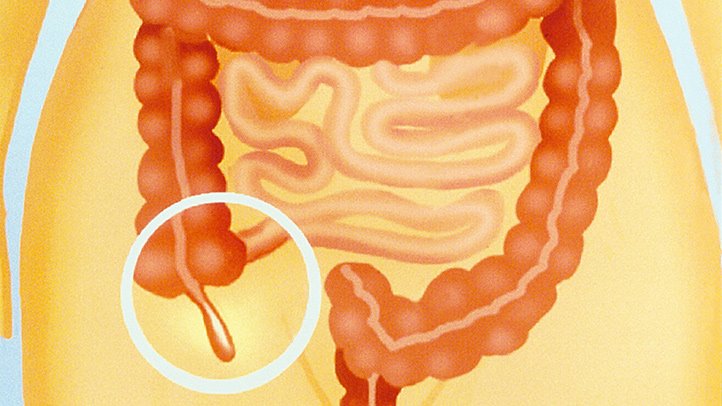
- Stomach pain that starts suddenly near the belly button and spreads to the lower right side of the abdomen
- Abdominal Swelling
- Rigid Abdominal Muscles
- Constipation or diarrhea
- Nausea
- Vomiting
- Loss of Appetite
- Low-grade fever
Although pain from appendicitis typically occurs in the lower right side of the abdomen, pregnant women may have pain in the upper right side of the abdomen. This is because the appendix is higher during pregnancy.
Go to the emergency room immediately if you believe you have appendicitis. An appendectomy needs to be performed right away to prevent complications.
There are two types of appendectomy: open and laparoscopic. The type of surgery your doctor chooses depends on several factors, including the severity of your appendicitis and your medical history.
Open Appendiectomy
During an open appendiectomy, a surgeon makes one incision in the lower right side of your abdomen. Your appendix is removed and the wound is closed with stiches. This procedure allows your doctor to clean the abdominal cavity if your appendix has burst.
Your doctor may choose an open appendiectomy if your appendix has ruptured and the infection has spread to other organs. It’s also the preferred option for people who have had abdominal surgery in the past.
Laparoscopic Appendiectomy
During a laparoscopic appendiectomy, a surgeon accesses the appendix through minimal incisions in your abdomen an instrument called a laparoscope will be inserted through the incision.
When the appendix is found, it will be tied off with stiches and removed. The small incisions are then cleaned, closed, and dressed.
Laparoscopic surgery is usually the best option for older adults and people who are overweight. It has fewer risks than an open appendectomy procedure, and generally has a shorter recovery time.
- Minimal Incision On Abdomen
- Almost Nonvisible Marks On Abdomen
- Chances Of Sutures Infection Is Very Less
- Healing Occures Very Rapidly
- Chances Of Developing Adhesions Of Bowel Are Minimised.
- Chances of Developing incisional hernia is ZERO Precentage.
- Minimal Hospital Stay 1 OR 2 Days Only.
- Follow your surgeon’s instructions for medicines, diet, and wound care.
- Keep the incision clean and dry – change dressings as advised.
- Start with light, soft foods (soups, khichdi, dal-rice) and gradually return to a normal diet.
- Drink plenty of water to avoid constipation and dehydration.
- Take short walks daily – it helps improve digestion and circulation.
- Take medicines on time (painkillers, antibiotics) as prescribed.
- Rest well and allow your body to recover.
- Contact your doctor immediately if you notice fever, redness, swelling, pus, or severe pain.
- Don’t lift heavy weights or do strenuous exercises for 4–6 weeks.
- Don’t drive until your doctor gives clearance.
- Don’t eat oily, spicy, or junk food that may upset your stomach.
- Don’t smoke or drink alcohol – it delays healing.
- Don’t scratch or rub the wound area even if it feels itchy.
- Don’t miss follow-up appointments – they are important for proper recovery.
- Don’t ignore warning signs like vomiting, bleeding, persistent pain, or difficulty in passing stools/urine.