
We are best laparoscopic surgery centre located in Pune. The hospital has a comprehensive set of advanced instruments to offer a prompt diagnosis. We have the panel of laparoscopic surgeons who holds extensive experience to handle critical conditions. They provide laparoscopic therapies like Cholecystectomy, Hernioplasty for ventral/ inguinal/ femoral/ umbilical hernia, chronic abdominal pain diagnosis, Fundoplication, Nephrectomy, Hysterectomy, Ovarian cystectomy, etc.
Laparoscopic surgery is named as minimally invasive surgery because it produces tiny incisions. It is a pencil-like flexible device possesses a camera. The recovery is fast due to small cuts and less pain. It is useful for hernia repairs, gastric surgery, and organ replacement, etc. The laparoscopic operation is the best alternative to perform bariatric surgery and gallbladder removal.
The camera takes an image of the abdominal organs and broadcasts them on a monitor. The surgeon uses this picture to perform the procedure. Laparoscopic fundoplication gives the fast recovery and quick return to routine work.
How to prepare for Laparoscopy Surgery?
They are of two types as internal or external.
- Explain to your doctor about your physical condition, medications, and allergies.
- If these will interfere with the laparoscopic procedure, then the doctor may change the do so that it won’t affect the process.
- If you are pregnant then inform your physician before starting treatment it will prevent your baby from getting harm.
- Before laparoscopy, you need to test your blood, urine, ECG, and chest X-ray. Some imaging tests like ultrasound sonography, CT scan, or MRI scan.
- Do not eat or drink anything before eight hours.
- Arrange person from family or friend for your care
What are the steps involved in the Laparoscopy Surgery performed?
It is an outpatient method means you can able to go home on the same day of surgery. It demands the general body numbness where you don’t sense any pain during the operation. Sometimes local body numbness might works.
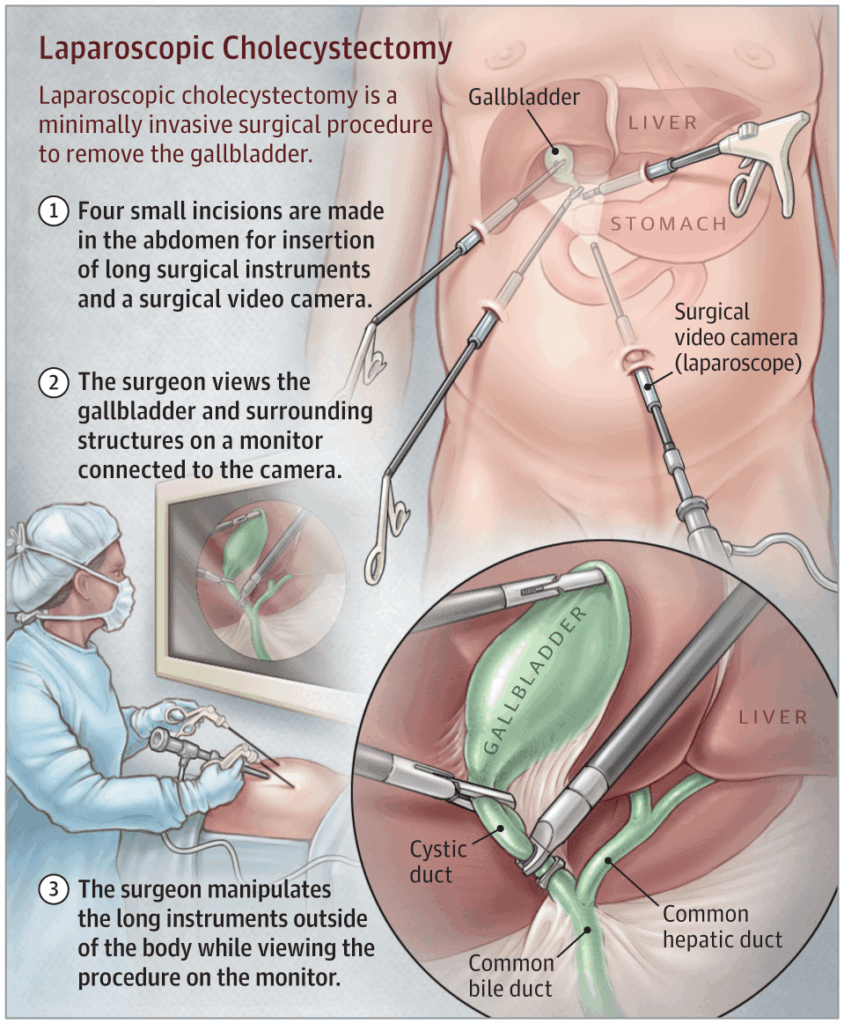
In the procedure, the physician creates a cut near the belly and uses it for insertion of a small tubular device called a cannula. The device inflates the stomach with CO2 gas and allows clear visualisation of the abdomen. Then the surgeon inserts laparoscopy which has a camera. The camera captures the pictures and gives the real-time views. After finishing the process, the doctor takes backs the device and closes the incisions either with stitches or with tape.
- Appendix
- Gall Bladder
- Hernia
- Colorectal Diseases
- Follow your doctor’s instructions carefully regarding medicines, wound care, and follow-up visits.
- Keep the surgical site clean and dry to prevent infection.
- Eat light and healthy meals – start with liquids and soft foods, then gradually shift to a normal diet.
- Walk slowly and regularly – light movement improves blood circulation and speeds recovery.
- Take prescribed painkillers/antibiotics on time – do not skip doses.
- Stay hydrated by drinking enough water unless advised otherwise.
- Rest well – allow your body to heal properly.
- Report immediately if you notice fever, severe pain, vomiting, bleeding, or unusual swelling.
- Don’t lift heavy weights (more than 4–5 kg) for at least 4–6 weeks.
- Don’t drive or travel long distances until your doctor allows.
- Don’t take alcohol or smoke – it slows healing and increases infection risk.
- Don’t skip follow-up appointments – they are crucial to monitor recovery.
- Don’t strain during bowel movements – take a doctor-recommended laxative if needed.
- Don’t apply powders, ointments, or oils on the wound unless prescribed.
- Don’t ignore warning signs like persistent pain, breathing difficulty, or pus discharge.
Time required recovering from Laparoscopic Surgery
24 hours of hospitalisation is mandatory after laparoscopy, during this stay doctor observes your response to medications and surgery. The carbon dioxide gas gives the pain and requires medications. The patient can begin regular activities in a week.