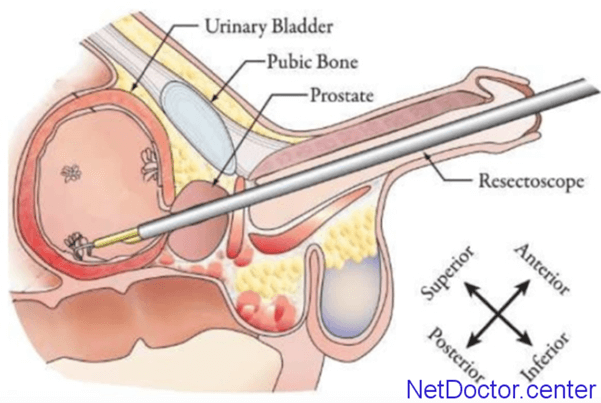
Arthroscopy is a surgical procedure doctors use to look at, diagnose, and treat problems inside a joint.
Your doctor may recommend it if you have inflammation in a joint, have injured a joint, or have damaged a joint over time. You can have arthroscopy on any joint. Most often, it’s done on the knee, shoulder, elbow, ankle, hip, or wrist.
Your doctor will perform arthroscopic surgery in a hospital or outpatient operating room. That means you can go home the same day.
Your doctor will insert special pencil-thin instruments through a small cut (incision) the size of a buttonhole. He’ll use a tool called an arthroscope that has a camera lens and a light. It allows him to see inside the joint.
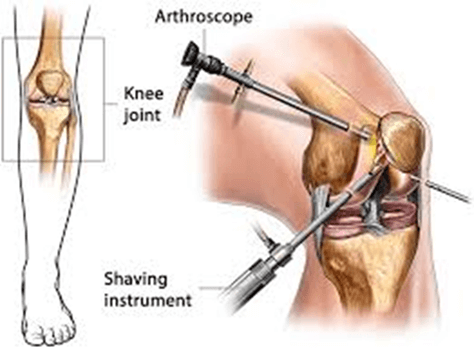
Your doctor will perform arthroscopic surgery in a hospital or outpatient operating room. That means you can go home the same day.
Your doctor will insert special pencil-thin instruments through a small cut (incision) the size of a buttonhole. He’ll use a tool called an arthroscope that has a camera lens and a light. It allows him to see inside the joint.
You may have some pain in the joint after surgery. Your doctor may prescribe pain medication. He might also prescribe aspirin or other medication to prevent blood clots.
You may need crutches, a splint, or a sling for support as you recover.
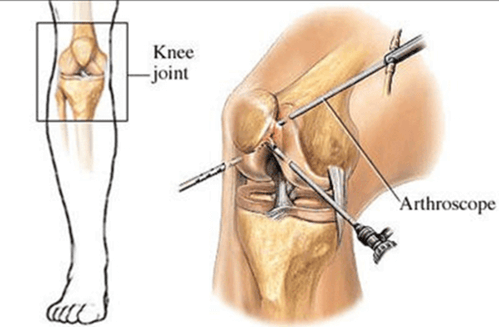
Knee arthroscopy is a surgical technique that can diagnose and treat problems in the knee joint. During the procedure, your surgeon will make a very small incision and insert a tiny camera — called an arthroscope — into your knee. This allows them to view the inside of the joint on a screen.